


READ THE OFFICIAL SUBMISSION BY CFACT SENIOR FELLOW BONNER COHEN, Ph.D.
CFACT has filed comments supporting the Environmental Protection Agency and the Army Corps of Engineers as they update the definition of “waters of the United States” under the Clean Water Act. The comments, submitted October 9 by Senior Analyst Bonner Cohen, Ph.D., respond to the agencies’ supplemental proposal in docket EPA-HQ-OW-2025-0322.
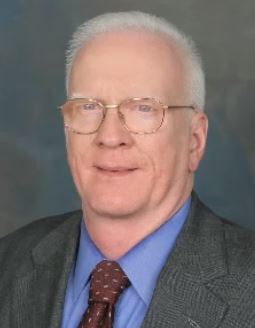
Bonner Cohen, Ph.D.
The filing backs the agencies’ move to write the Supreme Court’s 2023 Sackett v. EPA decision into the rule. Sackett held that the Act reaches relatively permanent bodies of water — streams, rivers, lakes, and oceans — and wetlands with a continuous surface connection to them. CFACT notes that the supplemental drops the November 2025 proposal’s undefined “wet season” test, which would have left farmers and ranchers exposed to the same litigation that has dogged this statute since 1972. It also treats “continuous surface connection” as a continuous surface water connection, matching the Court’s line between where water ends and a wetland begins.
Cohen points to two Corps actions after Sackett as evidence that a clear final rule is still needed. In Idaho, the Corps claimed a 4.7-acre rural parcel was a regulated wetland because a soggy depression was linked, across a raised county road with no culverts, to a swale, then to streams, then to Lake Pend Oreille two miles away. The Corps later dropped the case. In Utah, on April 8, 2026, the Corps withdrew a permit for 265 homes on a 142-acre parcel nine miles from the Great Salt Lake, with a railroad, Interstate 15, and the Willard Bay reservoir in between.
Those cases, CFACT argues, show why the supplemental’s tighter definitions should be carried into the final rule.
The public comment period on the supplemental closes October 9. EPA and the Corps will now review comments on both this notice and the November 2025 proposal, then issue a final WOTUS rule.
Go to Top
The post CFACT urges EPA and the Corps to lock in Sackett’s limits on WOTUS was first published by the Committee For A Constructive Tomorrow (CFACT), and is republished here with permission. Please support their efforts.