
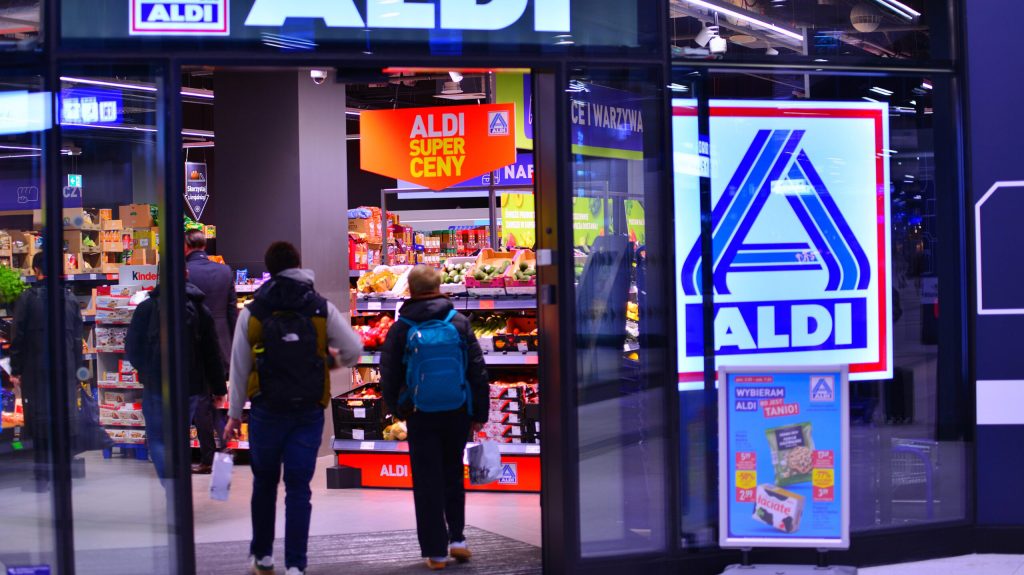
In January 2024, Aldi announced the removal of plastic shopping bags at more than 2,300 U.S. stores by the end of 2023 as part of an overarching goal to “be the most sustainable grocer in the country.” The company pointed to the nearly nine million pounds of plastic the decision would save annually. It sounds impressive, and most shoppers probably take that figure at face value.
But I have a few questions. What are customers using instead? How much material goes into making those replacements? And are we actually reducing waste, or just changing what people buy?
Plastic grocery bags often do more than carry groceries. People reuse them in various ways from lining small trash cans to picking up after their dogs. Without them, shoppers may buy bags for those jobs, plus paper or reusable bags to get their groceries home. Making and shipping those replacements takes materials and energy, too. Aldi should count that before claiming an environmental win.
Here in New Jersey, we have reason to ask those questions.
Following New Jersey’s May 2022 ban, Freedonia Custom Research reported that plastic consumption associated with shopping bags had nearly tripled, even as the number of bags used fell by more than 60%.
The Freedonia report estimated that most replacement bags in New Jersey were reused only two or three times before being discarded. It also reported that non-woven polypropylene bags used substantially more plastic per bag than the lightweight bags they replaced.
The report was commissioned by the American Recyclable Plastic Bag Alliance, a plastic-bag industry group. Its estimate of bag reuse came from market data rather than tracking shoppers’ habits. Travis Wagner, a professor emeritus at the University of Southern Maine, questioned its data sources and reuse estimate and noted that it had not been peer-reviewed. Those limitations deserve acknowledgment. So does the underlying question: How often are shoppers using these bags? Calling a bag reusable doesn’t tell us whether people reuse it enough to reduce its environmental impact.
Further, a 2019 peer-reviewed study by economist Rebecca Taylor found that when plastic grocery bag use fell by about 40 million pounds a year, purchases of plastic trash bags rose by roughly 12 million pounds. The result was a 120% increase in the sale of small trash bags and a 64% increase in the sale of medium-sized bags. In other words, consumers bought back about 30% of the weight of the grocery bags eliminated in the form of new trash bags they would not have had to purchase.
Paper and reusable bags raise questions, too. Making paper bags takes materials and energy. They’re also much heavier than lightweight plastic bags, which adds to emissions from shipping them. Cotton has to be grown, watered, and processed into fabric, all of which takes resources. And polypropylene bags are still plastic. These bags have environmental costs, too.
A 2011 lifecycle assessment by Britain’s Environment Agency helps put the trade-offs in perspective. It estimated that a paper bag needed to be used three times, a non-woven polypropylene bag 11 times, and a cotton bag 131 times to have a lower global-warming impact than a conventional plastic bag used just once. That comparison assumed the plastic bag wasn’t reused as a trash liner.
Those estimates apply to the bags and assumptions examined in that assessment. They aren’t a universal rule for every bag on the market, and they concern global-warming impact rather than every environmental measure. But they make a practical point: A reusable bag has to be reused enough to justify the resources that went into making it.
Aldi says it eliminated nine million pounds of plastic. But what are shoppers using instead? An independent study, with the results made public, could show whether the switch actually reduced waste and emissions. If it did, Aldi would have a stronger case, and shoppers would have more than the company’s word for it.
Finally, there is an economic lesson here. People still need bags, even when stores stop selling them. Rebecca Taylor’s 2019 study found that shoppers bought more trash bags after grocery bag restrictions took effect. If you used those grocery bags for your trash, you now have another item on your shopping list. That expense matters, especially to families watching every dollar.
Aldi is free to choose which bags it sells. But its environmental claims deserve the same scrutiny as any other sales pitch designed to positively influence their consumer base. Greater transparency should include factors that influence how much the removal of plastic bags really affects reduced waste and emissions overall. Until then, nine million pounds tells us how much plastic Aldi stopped selling, not how much better off the environment is as a result.
Go to Top
The post Aldi ditched plastic bags: Does that actually help the environment? was first published by the Committee For A Constructive Tomorrow (CFACT), and is republished here with permission. Please support their efforts.